

What does it mean that Jesus became human? Not just that He looked like us but that He was one of us. He was born the way we are. He felt joy, sorrow, hunger, and pain. The eternal Son of God stepped into the limitations of humanity, not as a last resort, but as part of God’s sovereign and gracious plan from the beginning. “The Word became flesh and made His dwelling among us” (John 1:14).
Why would He do this?
Sin shattered our world and separated us from God. Left to ourselves we were not just hurting, we were spiritually dead (Ephesians 2:1). We didn’t just need a good example or a wise teacher. We needed a rescuer. And only God could provide that.
Paul writes, “Though He was in the form of God, [Jesus] did not count equality with God a thing to be grasped, but emptied Himself, by taking the form of a servant, being born in the likeness of men” (Philippians 2:6-7). Jesus didn’t stop being God. He added to His divinity our full humanity, so that He could stand in our place.
The book of Hebrews says, “he had to be made like them, fully human in every way… that he might make atonement for the sins of the people” (Hebrews 2:17). In other words, Jesus became fully human so He could bear the full weight of human guilt and satisfy the justice of God on our behalf.
This is the heart of the Gospel. Not that we climbed our way back to God, but that God came down to us. “He Himself bore our sins in His body on the tree, that we might die to sin and live to righteousness. By His wounds you have been healed” (1 Peter 2:24).
But the humanity of Jesus isn’t only about the cross. It also reveals the beauty and worth of being human.
God made us in His image. When Christ took on flesh, He affirmed that our humanity, though affected by sin, is not beyond hope. It is valuable. It is redeemable. And it is being renewed by grace. In Jesus, we see that being human isn’t a flaw. It’s something God called good and is committed to restore.
That’s easy to forget. We treat our limitations like failures. We think weakness disqualifies us. But Jesus, who was without sin, grew tired, wept with grief, and needed rest. These weren’t signs of failure. They were signs that He was truly one of us.
God could have saved us from a distance. But in love, He entered the very world we broke. Because He came near, no part of your life is beyond His reach. Your deepest pain or most hidden fear is not too much for Him. In fact, those are the very places where He loves to meet us.
To be human is to need help, to feel, to depend on others. This is how God designed us. But part of that design was for our needs and dependence to be most fully met in Him. Not apart from Him.
The same hands that shaped the stars also touched lepers, welcomed children, and were nailed to a cross. In Jesus, we are fully known and fully loved. And because He became like us, we can trust that He is restoring and redeeming our humanity.
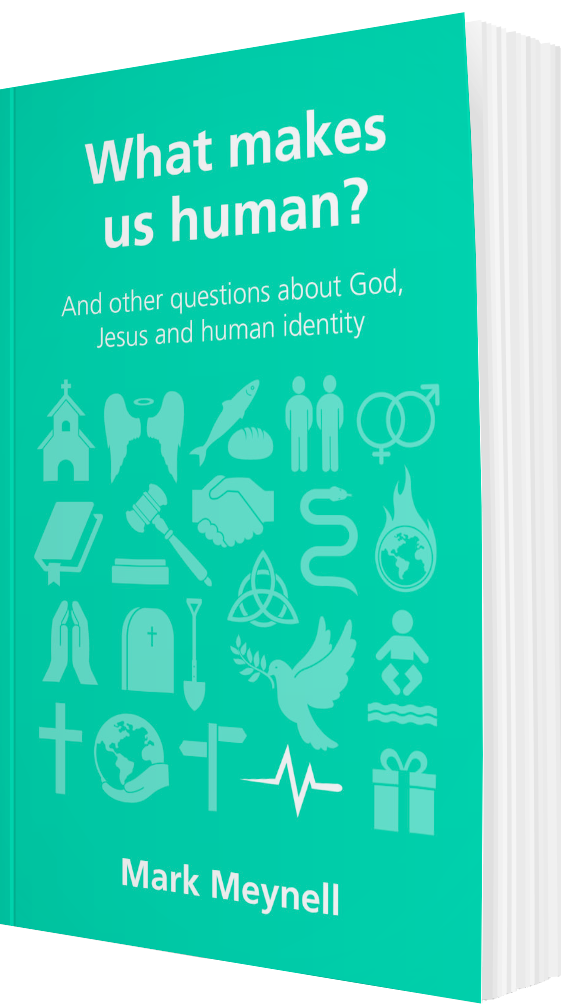
What Makes Us Human
In an age of competing worldviews, What Makes Us Human? offers clear answers rooted in Scripture. With warmth and insight, Mark Meynell tackles some of life’s most profound questions: When does life begin? Do we have souls—and where do they come from? What makes human beings unique? What does it mean to be made in the image of God?
In this short, accessible guide, Meynell walks readers through a biblical vision of humanity—one that affirms our dignity, purpose, and value as image-bearers of God. Anchored in the humanity of Jesus, this book offers a Scriptural perspective on what it means to be truly human.